
info@jxgreentape.com

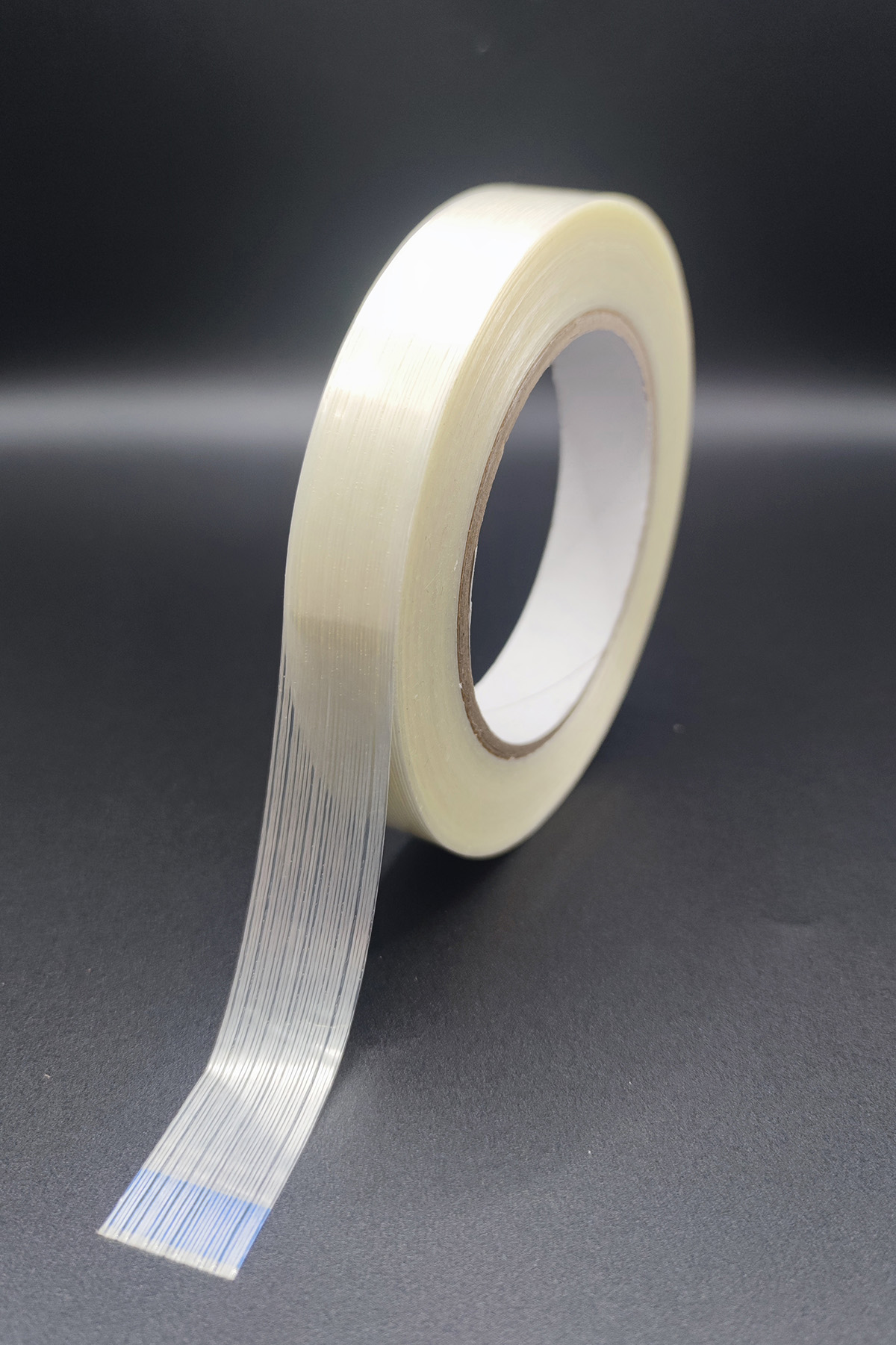

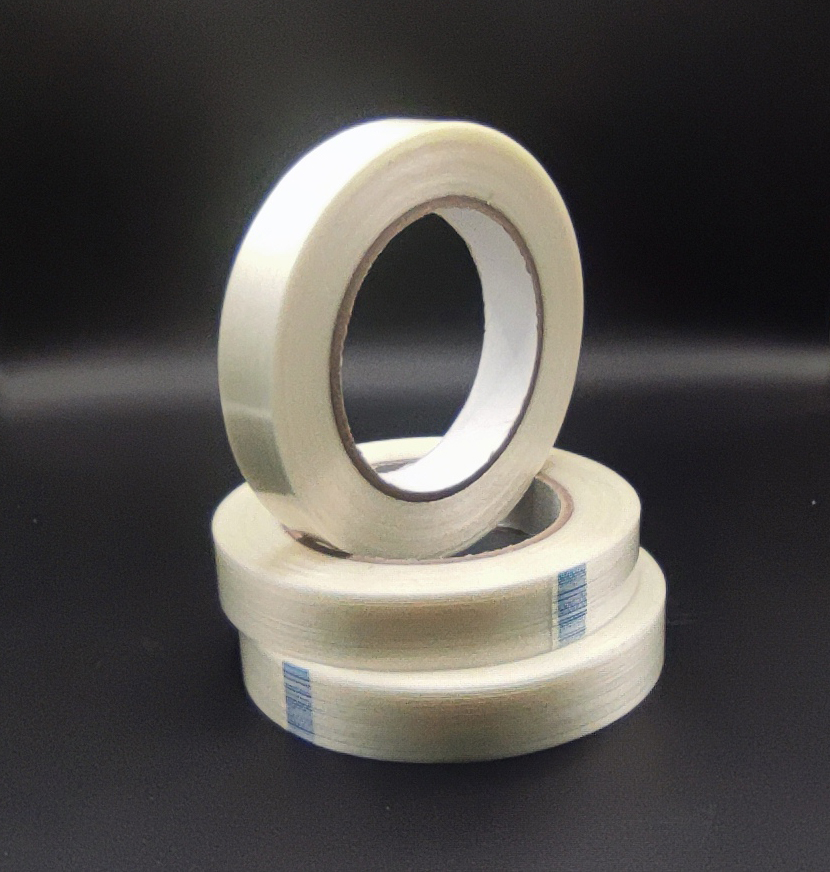
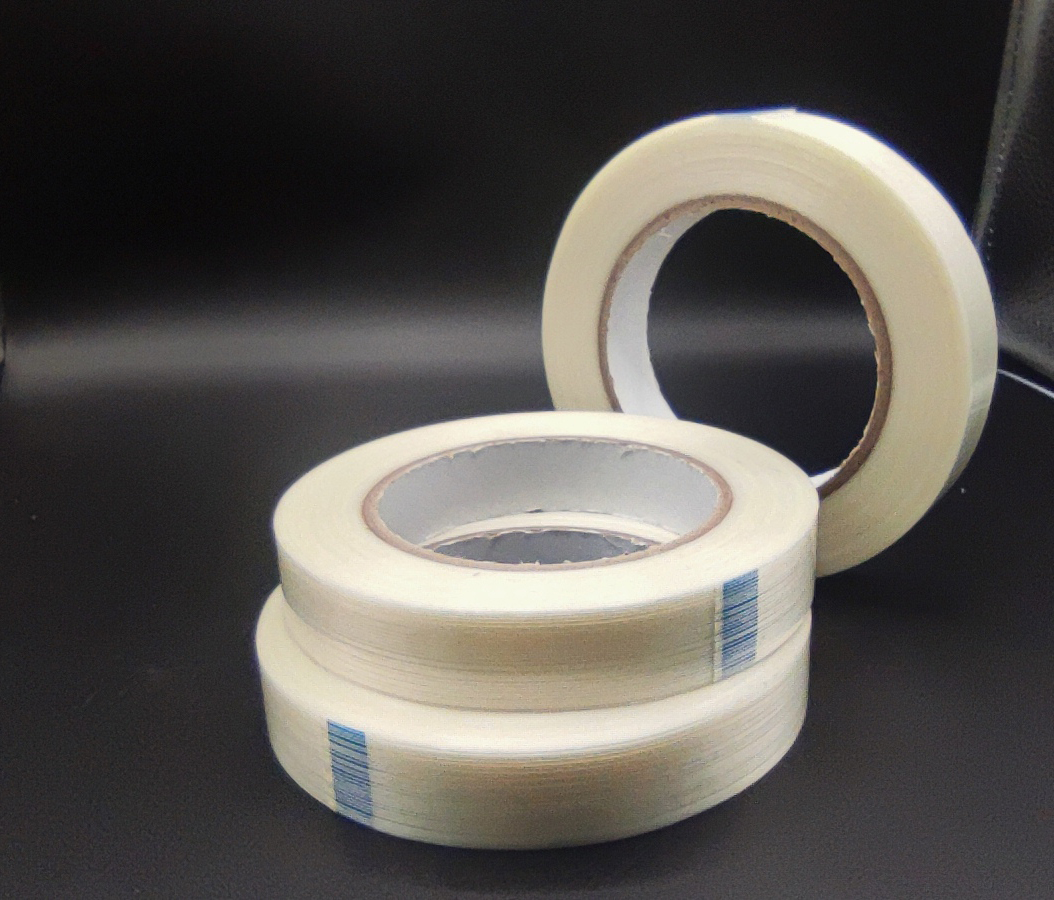
J-3801 is a PET film and glass-filament reinforced electrical tape coated with an acrylic pressure-sensitive adhesive. It combines low elongation, high tensile strength and dielectric insulation support for motor coil bundling, lead-wire anchoring, end-turn securing and holding insulation components during coil assembly. For varnish, resin, baking or oil-filled transformer applications, suitability should be confirmed under the actual process conditions.
J-3801 is a PET film and glass-filament reinforced electrical tape with an acrylic pressure-sensitive adhesive. It is used for securing motor coils, anchoring lead wires, holding insulation components and adding mechanical support during coil assembly.
The tape is intended for electrical assembly work, not carton sealing or pallet bundling. Its 0.17 mm construction combines low elongation with a listed tensile strength of 1300 N/25 mm. For varnish impregnation, baking, transformer-oil exposure or other demanding processes, the tape should be evaluated under the actual production conditions before approval.
Jiaxing Risure New Material supplies reinforced electrical tapes for motor, transformer and coil-assembly applications, with custom slitting and sample evaluation available according to project requirements.
J-3801 uses a polyester film backing reinforced with glass filaments. The PET film contributes to the tape’s insulating structure, while the glass-filament reinforcement improves tensile strength and resistance to tearing during application.
An acrylic pressure-sensitive adhesive is applied to the backing. Its holding performance depends on the surface being bonded, cleanliness, winding tension, temperature, dwell time and any later exposure to varnish, resin or oil.
· Backing: PET film with glass-filament reinforcement · Adhesive: Acrylic pressure-sensitive adhesive · Total thickness: 0.17 mm · Tensile strength: 1300 N/25 mm · Elongation at break: 4.2% · Adhesion to steel: 8 N/25 mm · Reported temperature resistance: 155°C · Standard roll length: 50 m ·Main use: Coil assembly, lead anchoring and insulation-component holding
| Item | J-3801 | J-3807 | J-3801B |
| Adhesive | Acrylic | Acrylic | Acrylic |
| Total thickness | 0.17 mm | 0.16 mm | 0.13 mm |
| Adhesion to steel | 8 N/25 mm | 8 N/25 mm | 12 N/25 mm |
| Tensile strength | 1300 N/25 mm | 900 N/25 mm | 750 N/25 mm |
| Elongation at break | 4.2% | 4.5% | 5% |
| Temperature resistance | 155°C | 155°C | 155°C |
| Dielectric breakdown voltage* | 5 kV | 5 kV | 5 kV |
| Standard roll length | 50 m | 50 m | 50 m |
*The dielectric breakdown figures should be confirmed against the latest technical datasheet, including the test method, sample condition, tolerance and whether the values are typical or guaranteed.The 155°C value should be treated as a reported product or material rating. It does not, by itself, establish Class F approval for a complete motor or transformer insulation system. Final selection depends on the complete insulation design, thermal aging, adhesive behavior, winding temperature and the materials used in the process.
J-3801 is the highest-tensile-strength grade shown in this series. It may be considered when mechanical reinforcement is the main requirement.J-3807 provides a slightly thinner construction and lower tensile strength than J-3801. J-3801B is the thinnest grade in the table and has the highest listed adhesion to steel.These figures alone do not determine the best grade for a particular coil. Conformability, edge behavior, substrate adhesion, winding tension and downstream processing should be checked on the actual component. The latest TDS should be used to confirm the construction and intended differences between the three grades.
J-3801 can be used to hold coil sections, secure lead wires and reinforce end-turn areas during motor assembly. Its low elongation helps limit stretch during application, while the glass-filament reinforcement provides resistance to tearing when the tape is pulled around the coil.The required width and application tension should match the coil geometry. A narrow tape applied with excessive tension may lift at the edge on a tight curve, even when its tensile strength is high. A practical trial should therefore include the actual winding radius, application speed and overlap.For broader selection criteria covering heat aging, wrap stability and process conditions, buyers can refer to the Buying Guides for industrial electrical tapes.
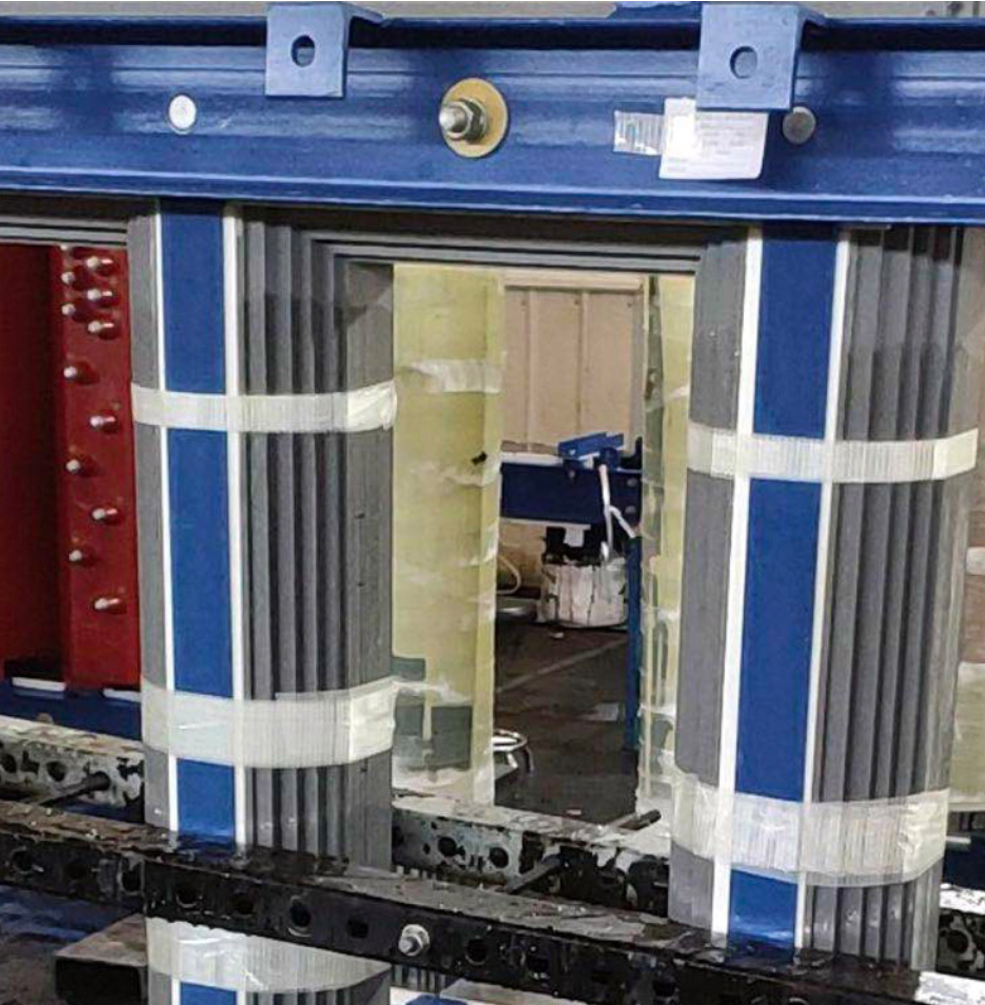
J-3801 can support selected transformer assembly operations, including:
· Holding insulation components in position; · Securing leads and coil sections;
· Reinforcing coil areas during handling; · Holding ground-insulation components;
· Stabilizing insulation materials during winding and assembly.
The tape may be considered for selected operations within Power Transformer Insulation, but it should be evaluated according to the role it plays in the complete insulation structure.For oil-filled transformers, the evaluation should include the actual transformer oil, exposure temperature, aging time and insulation materials. The tape’s 155°C value alone does not establish oil compatibility or long-term performance inside a transformer.
J-3801 and PET Fiberglass Cloth Tape can both be considered for motor winding, transformer assembly and coil reinforcement, but their constructions are different.J-3801 uses a PET film backing reinforced with glass filaments. It is a film-based tape with a relatively thin, controlled structure and is suited to lead anchoring, coil bundling and insulation-component holding.PET Fiberglass Cloth Tape, uses a polyester film and fiberglass cloth composite backing. The woven cloth structure is generally considered when the application requires broader mechanical reinforcement, surface coverage or a more fabric-like backing.The two tapes should not be treated as interchangeable.
Selection depends on:
Our Material Comparisons section provides further guidance on choosing between filament-reinforced electrical tape, glass cloth tape and other insulation materials.
The PET film and glass-filament construction can provide electrical and mechanical support within an insulation arrangement. J-3801 should be selected as part of the complete insulation design rather than as a replacement for primary materials such as DMD, Nomex®, insulation paper, mica or other system components.The required dielectric performance depends on working voltage, insulation thickness, overlap, creepage distance, winding design and the surrounding materials. A dielectric breakdown value should therefore be reviewed together with the complete insulation structure.When comparing reinforced electrical tapes, the construction matters as much as the headline temperature or tensile figure. A tape with higher tensile strength may not be the best choice if the application requires tighter conformability or a thinner insulation build-up.
In coil assembly, failures are not always caused by insufficient tensile strength. Edge lifting may result from excessive tension, a tight radius, poor surface preparation or insufficient contact pressure. Adhesion may also change after varnish, resin, baking or oil exposure.During a production trial, buyers should check:
For a more detailed discussion of lifting, adhesion loss and other tape-related problems, see our Failure Analysis and Troubleshooting resources.
A suitable specification depends on the application, not only on the tensile-strength figure. When requesting a quotation or sample, provide:
For oil, varnish, resin or solvent exposure, compatibility should be confirmed for the complete J-3801 tape rather than inferred from the PET film or glass filament alone.Have these details ready? Send them with your required width and quantity to receive a more accurate specification recommendation and sample arrangement.
J-3801 and packaging filament tape may both contain reinforcing filaments, but they are intended for different jobs.
| J-3801 Electrical Tape | Ordinary Filament Strapping Tape |
| PET film and glass-filament construction | Packaging-oriented backing construction |
| Acrylic adhesive for electrical assembly applications | Often supplied with synthetic rubber adhesive |
| Used for coil holding, lead anchoring and insulation support | Used for cartons, pallets and industrial bundling |
| Dielectric performance may be specified | Electrical insulation performance may not be evaluated |
| Requires process and material compatibility checks | Mainly selected for tensile strength and holding power |
Packaging filament tape should not be substituted for an electrical insulation tape without checking the adhesive, backing, dielectric performance and process compatibility. The difference is explained in this filament strapping tape versus electrical filament tape comparison.
The figures on this page should be read together with the latest J-3801 technical datasheet. Before production approval, buyers should confirm:
Where available, Jiaxing Risure New Material can provide:
RoHS, REACH, UL or other compliance statements should always be checked against the exact J-3801 model and the relevant document. A general factory certificate should not be treated as product-specific approval.
If you are sourcing reinforced electrical tape for motor coils, transformer assembly or lead anchoring, send us the required width, roll length, quantity, contact substrate and process conditions.For applications involving varnish, resin, transformer oil or elevated temperatures, include the actual exposure conditions in your inquiry. This allows the tape to be assessed against the production process that matters—not just against a catalogue number.Request the latest J-3801 TDS and samples from Jiaxing Risure New Material.

Tested to IEC 62321 series — restricted substances: Not Detected.
Report Nos:NGBEC25006962604
IEC 62321 Series — Fluorine / Chlorine / Bromine / Iodine: Not Detected.
Report Nos:NGBEC25006962603
FAQs
Is J-3801 suitable for oil-filled transformers?
It may be considered for selected transformer assembly operations, but oil compatibility should be confirmed using the actual transformer oil, temperature, aging time and insulation materials before production approval.
Does the 155°C rating mean that J-3801 is a Class F tape?
No. The 155°C value is a reported product or material rating. It does not by itself establish Class F approval for a complete motor or transformer insulation system.
What is the difference between J-3801 and PET Fiberglass Cloth Tape?
J-3801 uses PET film reinforced with glass filaments, while PET Fiberglass Cloth Tape uses a polyester and fiberglass cloth composite structure. The correct choice depends on thickness, reinforcement, winding conditions and the complete insulation design.
Can J-3801 replace DMD, Nomex® or other primary insulation materials?
No. J-3801 is intended for holding, anchoring and mechanical reinforcement. It should be evaluated as one component within the complete insulation system.
What is the difference between J-3801 and packaging filament tape?
J-3801 is intended for electrical assembly and includes dielectric-performance data. Packaging filament tape is mainly selected for carton reinforcement, palletizing and industrial bundling.
Can J-3801 be used with varnish or resin impregnation?
That depends on the varnish, resin, temperature and process cycle. A sample trial should check adhesion retention, residue, softening and insulation performance after processing.
What Is Tape Used for in Transformers? Adhesive Tapes for Power Transformer Insulation Materials