info@jxgreentape.com
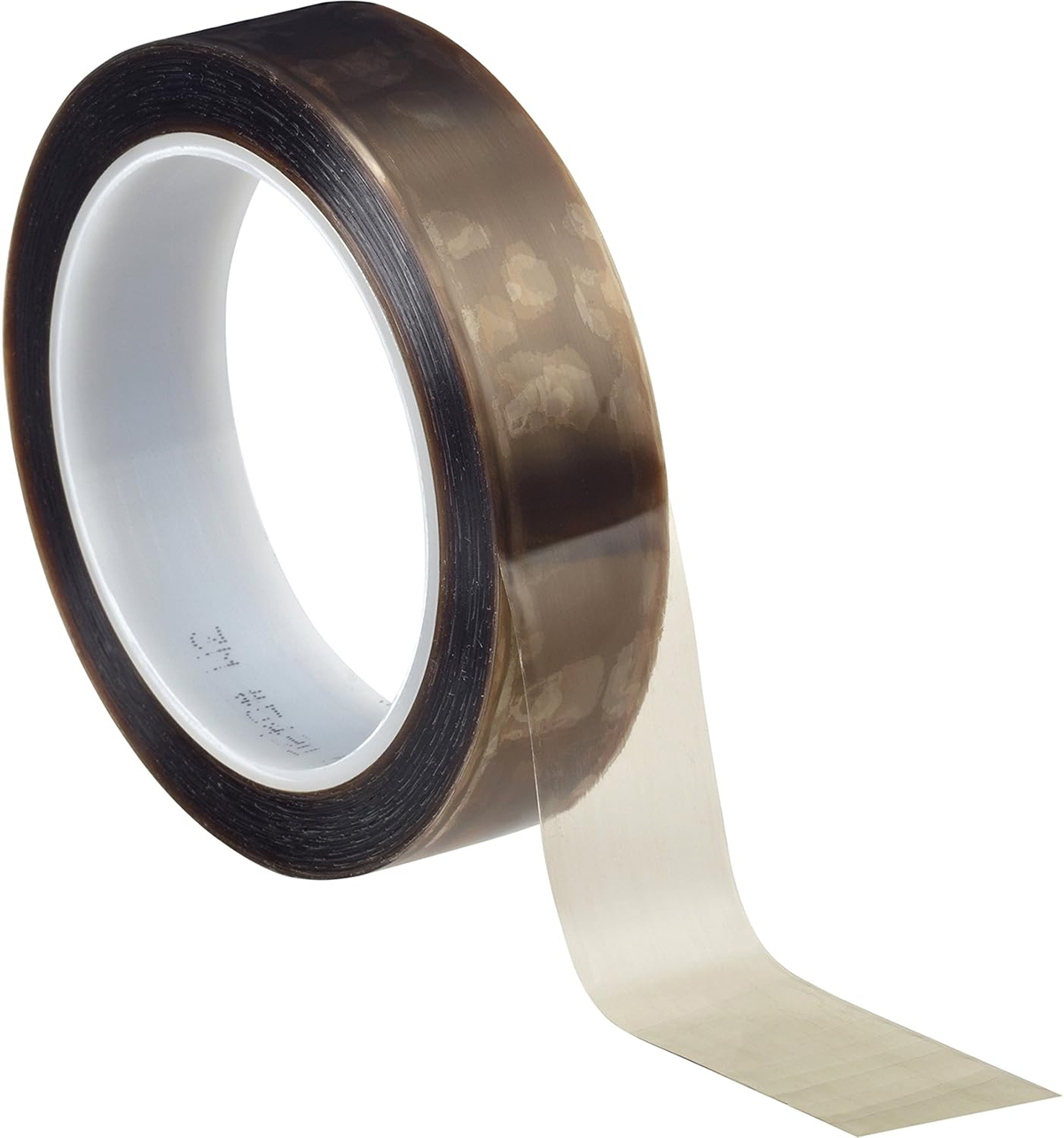
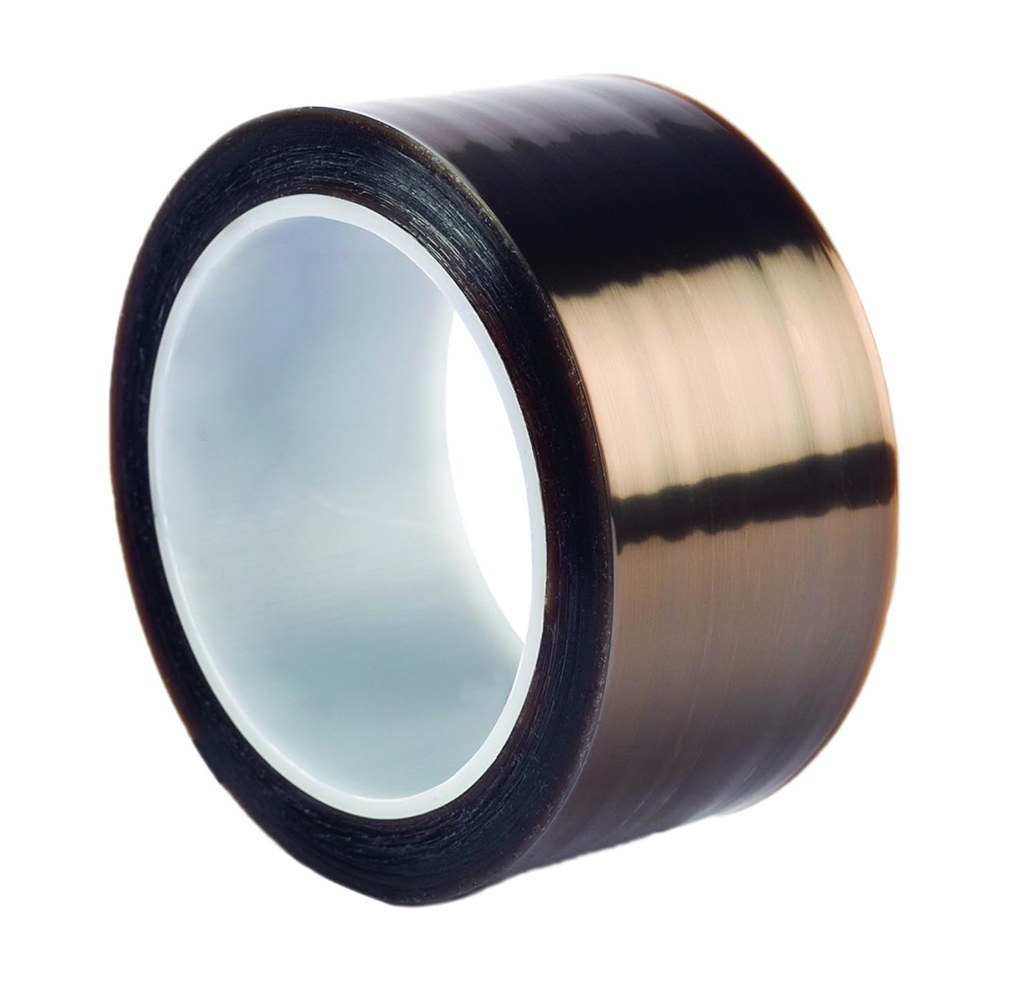
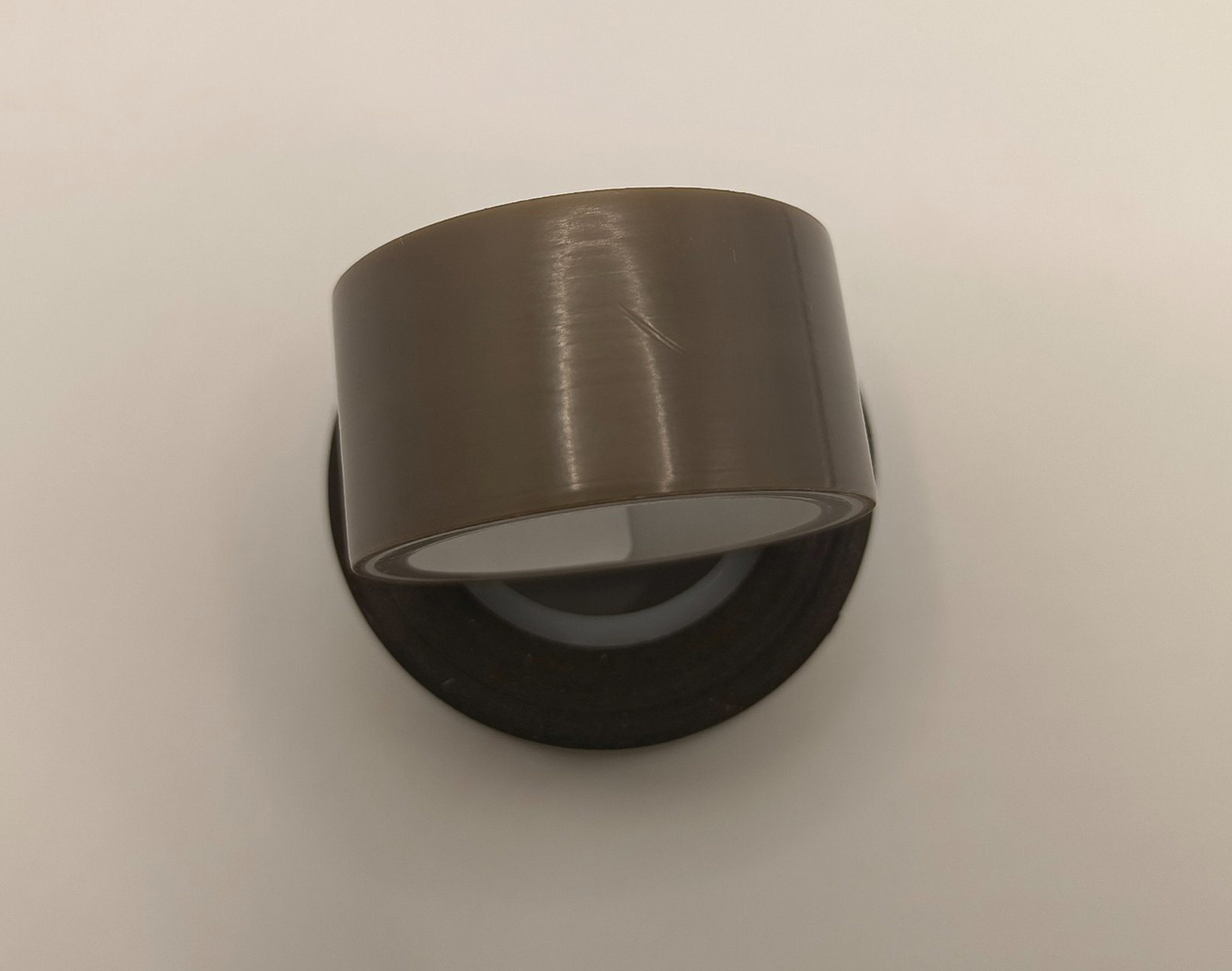
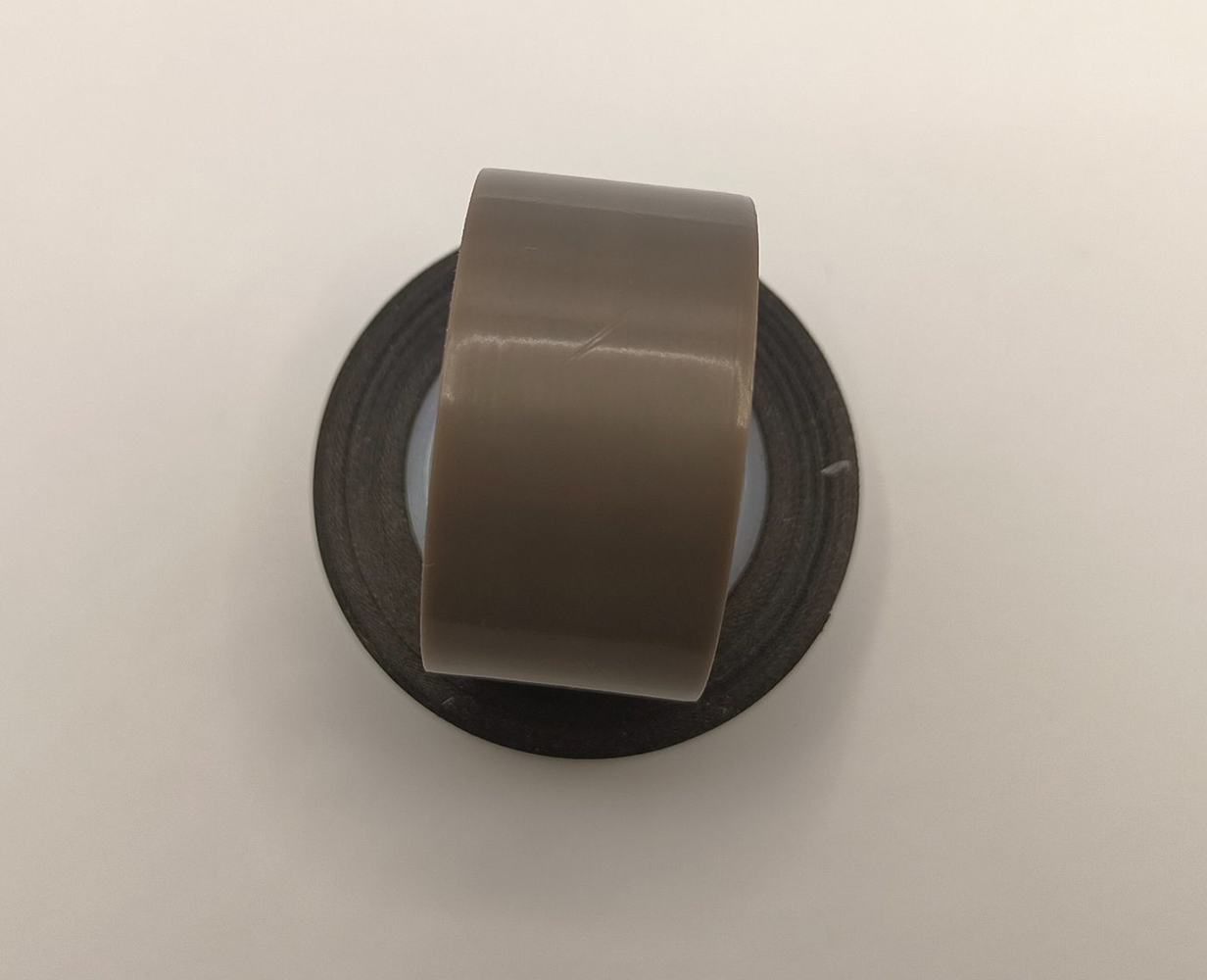

J-730 is a PTFE film adhesive tape designed for roller wrapping, guide rails, sliding plates and industrial release surfaces. Its smooth PTFE film backing provides a low-friction, low-profile contact surface where fabric texture is undesirable, while the silicone pressure-sensitive adhesive supports installation on suitable equipment surfaces.
Total thicknesses of 0.05 mm, 0.08 mm, 0.13 mm, 0.18 mm and 0.25 mm are available. Custom-width slit rolls and application samples can be supplied for equipment qualification and bulk orders.
Product ID: J-730
J-730 is a PTFE film adhesive tape with silicone pressure-sensitive adhesive on one side. It provides a smooth, low-friction release surface for industrial rollers, guide rails, sliding plates and other machine-contact areas where fabric texture is undesirable.
Five total thicknesses are available for different requirements involving surface profile, conformability, roller diameter and wear allowance. Custom-width slit rolls and application samples are available for equipment qualification.
Request the Current J-730 TDS
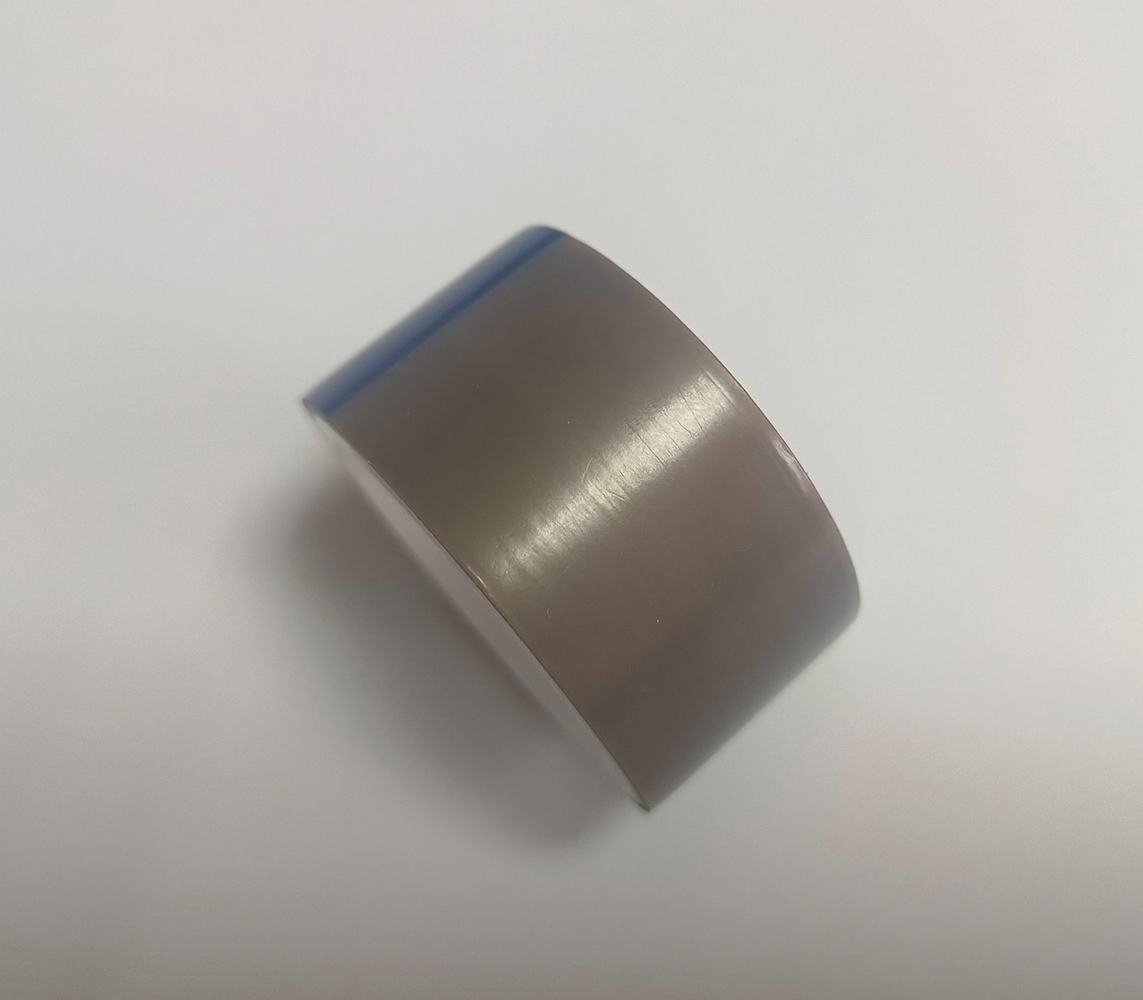
J-730 combines a smooth PTFE film backing with silicone pressure-sensitive adhesive.
The exposed PTFE film provides a low-friction surface that can help reduce sticking and material buildup where film, adhesive-coated materials or other processed products contact machine components.
Compared with PTFE-coated glass cloth adhesive tape, J-730 has no woven fiberglass reinforcement. It provides a smoother, lower-profile and generally more conformable construction, but it should not be treated as the default option where repeated tearing, puncture or heavy mechanical wear is expected.
J-730 is primarily intended for roller wrapping, guide rails, sliding surfaces, web-handling components and selected industrial release surfaces.
|
Item |
0.05 mm |
0.08 mm |
0.13 mm |
0.18 mm |
0.25 mm |
|
Total Thickness |
0.05 mm |
0.08 mm |
0.13 mm |
0.18 mm |
0.25 mm |
|
Backing Thickness |
0.03 mm |
0.05 mm |
0.08 mm |
0.13 mm |
0.18 mm |
|
Base Material |
PTFE pure film |
PTFE pure film |
PTFE pure film |
PTFE pure film |
PTFE pure film |
|
Adhesive |
Silicone |
Silicone |
Silicone |
Silicone |
Silicone |
|
Adhesion to Steel |
6–8 N/25mm |
8–10 N/25mm |
8–10 N/25mm |
10–12 N/25mm |
10–12 N/25mm |
|
Tensile Strength |
10 MPa |
14 MPa |
34.7 MPa |
26.9 MPa |
36.7 MPa |
|
Elongation Rate |
95% |
109% |
197% |
505% |
492% |
|
Temperature Resistance |
-70°C to 260°C |
-70°C to 260°C |
-70°C to 260°C |
-70°C to 260°C |
-70°C to 260°C |
Mechanical properties and recommended service-temperature limits should be confirmed against the current grade-specific TDS before engineering approval.
Adhesion to steel is a comparison value. Performance on aluminum, rubber, coated rollers, painted machine surfaces or other substrates should be evaluated on the actual surface.
Where a property will be used for incoming inspection, the applicable test method, sample conditioning, unit and acceptance range should be agreed before production.
Request the Current J-730 TDS
Thickness affects surface profile, conformability, edge height and the amount of material available for wear. A thicker construction is not automatically the better choice for a roller or sliding surface.
|
Total thickness |
Initial selection guidance |
|
0.05 mm |
Lowest-profile option where a small edge step and smooth transition are required |
|
0.08 mm |
Thin option for rollers, guide rails and curved surfaces |
|
0.13 mm |
General starting point where more wear allowance is required |
|
0.18 mm |
Thicker construction for greater contact or puncture risk |
|
0.25 mm |
Heavier option where edge height and reduced conformability remain acceptable |
Small roller diameters generally require closer attention to conformability, overlap height and installation tension. A thick construction can be more difficult to wrap and may create a raised edge that collects adhesive or process debris.
When replacing an existing product, first confirm its total thickness, backing construction and joint arrangement before increasing thickness.
J-730 can provide a smooth, low-friction contact surface on industrial rollers used for film, paper, adhesive-coated materials and other moving webs.
The following information should be reviewed before sample selection:
· Roller diameter
· Roller surface material
· Rotational speed
· Contact material
· Operating temperature
· Wrapping direction
· Joint or overlap position
· Existing product thickness
· Current failure mode
· Expected replacement interval
Excessive installation tension can stretch the PTFE film and place continuous stress on the joint edge. The sample trial should include normal roller speed and actual contact material rather than only a stationary room-temperature check.
J-730 may be applied to guide rails, sliding plates and machine-contact surfaces where reduced friction, low profile and a smooth surface are important.
The exposed edge should not face repeated product movement where avoidable. Continuous contact with an exposed edge can initiate lifting even when the initial bond appears satisfactory.
The machine surface should be clean, dry and free from oil, old adhesive and process residue before installation.
J-730 may be evaluated on smooth, lower-wear heat-sealing support surfaces where a thin release layer is required.
For sealing jaws exposed to repeated pressure, sharp edges, puncture or abrasion, J-710 PTFE-coated glass cloth adhesive tape should also be tested.
Changing the adhesive tape thickness or backing construction can affect heat transfer and sealing results. Confirm seal strength, seal appearance, pressure and dwell time during the trial.
J-730 may provide a replaceable release surface on selected plastic-processing, adhesive-handling and web-processing equipment.
The exposed PTFE film can resist sticking and contact with many process materials, but the finished product also contains silicone pressure-sensitive adhesive. Chemical exposure, aggressive cleaning agents, oils and prolonged high-temperature contact should therefore be evaluated on the actual equipment surface.
J-730 is generally selected where smoothness, conformability and low profile are the main requirements.
J-710 should also be evaluated where the primary failure involves repeated pressure, tearing, puncture or mechanical abrasion.
For a complete product-family comparison, review our PTFE adhesive tape manufacturing and custom roll-converting capabilities. For application-based selection and troubleshooting, see PTFE adhesive tape selection for release and heat-sealing applications.
The complete range is available on the PTFE adhesive tape product collection.
For application-based selection and troubleshooting involving roller drag, material sticking, edge lifting or premature wear, see our PTFE Release & Heat Sealing Solutions guide.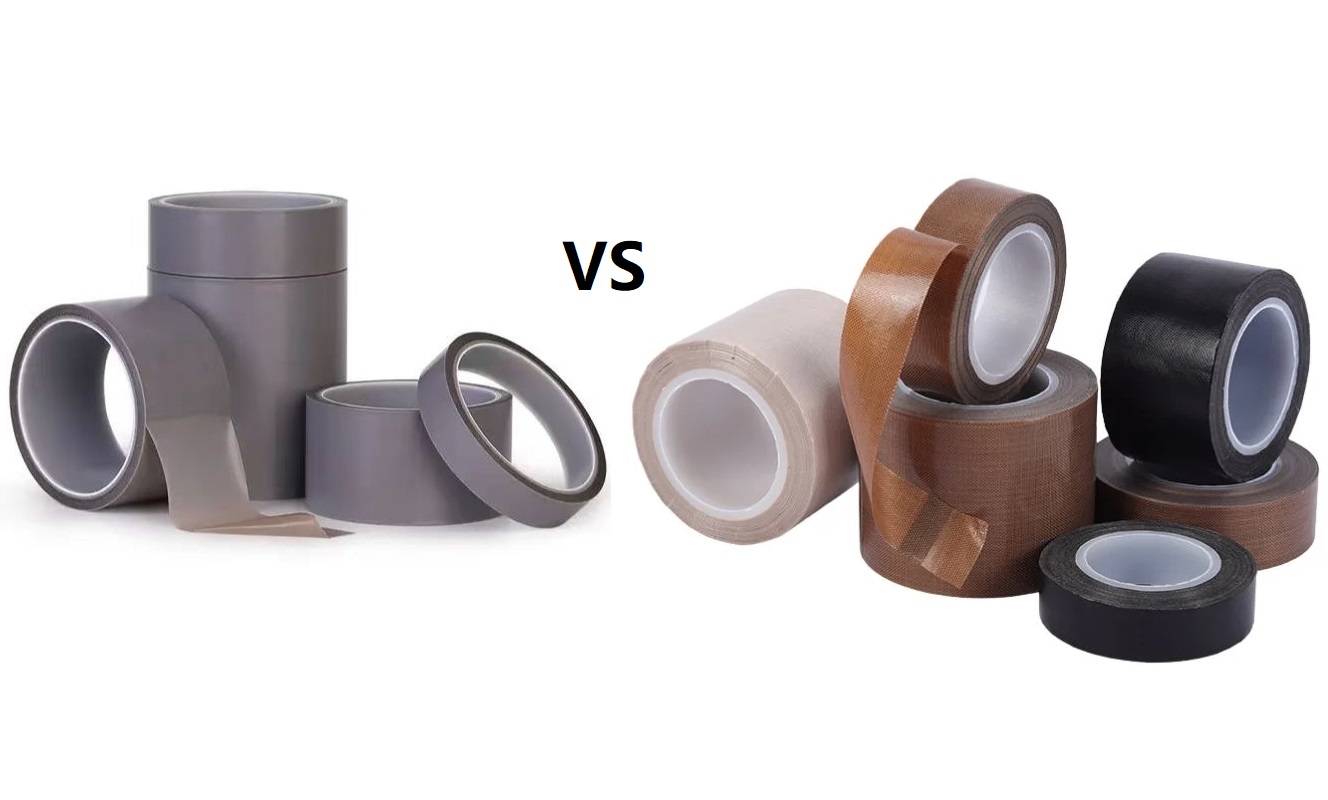
Correct installation affects joint stability, surface smoothness and replacement life.
1. Stop the equipment and allow the roller to reach a safe handling temperature.
2. Remove the existing material and clean away old adhesive, oil and process residue.
3. Inspect the roller for surface damage, sharp edges or contamination.
4. Confirm that the surface is clean and dry before application.
5. Position J-730 without excessive pulling or stretching.
6. Wrap in a direction that reduces direct peeling force on the joint or overlap.
7. Apply even pressure and avoid wrinkles or trapped air.
8. Keep the joint outside the main product-contact area where possible.
9. Run an initial low-speed trial before returning to normal production.
10. Inspect the joint and edges after the first temperature and operating cycle.
Do not use excessive installation tension to force the film around the roller. Stretching can create dimensional recovery, joint movement or edge lifting during operation.
The properties of the exposed PTFE film do not by themselves define the performance of the finished adhesive tape.
Applications involving direct food contact, electrical insulation, aggressive chemicals or regulated production require product-specific technical data and buyer qualification. J-730 should not be presented as certified for these applications unless the applicable documentation is available.
For heavily loaded sealing jaws, sharp edges or repeated abrasion, a reinforced PTFE-coated glass cloth adhesive tape may provide a more appropriate construction.
J-730 can be supplied in custom-width slit rolls for rollers, guide rails, sliding plates and industrial release surfaces.
Available options include:
· Custom-width slit rolls
· Standard and custom roll lengths
· Core and label options
· Export packaging
· Private-label packaging subject to order review
· Sample rolls for equipment qualification
· Batch identification for repeat orders
Available dimensions and tolerances depend on the selected thickness, source roll and order quantity. Please provide the required total thickness, width, roll length, core size and estimated quantity when requesting a quotation.
J-730 is supplied as roll material. Die-cut parts and custom-shaped pieces are not included in our converting program.
Depending on the selected construction and order requirements, available documents may include the TDS, SDS where applicable, RoHS or REACH documentation, material declarations and agreed batch reports.
Compliance statements apply only to the product identified in the relevant document.
Evaluate J-730 on the actual equipment and record installation, edge condition, surface drag, material marking, buildup, wear, residue and replacement interval. Room-temperature adhesion alone cannot establish performance on a rotating or heated surface.
Smaller rollers generally require a thinner, more conformable construction with a lower overlap. Confirm the selected thickness on the actual roller.
No intentional stretching is recommended. Excessive tension can deform the film and contribute to joint movement or edge lifting.
Keep the joint outside the main contact area where possible, and wrap in a direction that reduces peeling force on the exposed edge.
Test J-710 when tearing, puncture, edge wear or repeated pressure is the main concern. J-730 is preferred where smoothness, low profile and conformability matter more.
Please provide:
Test the sample under normal production conditions before bulk approval.