info@jxgreentape.com
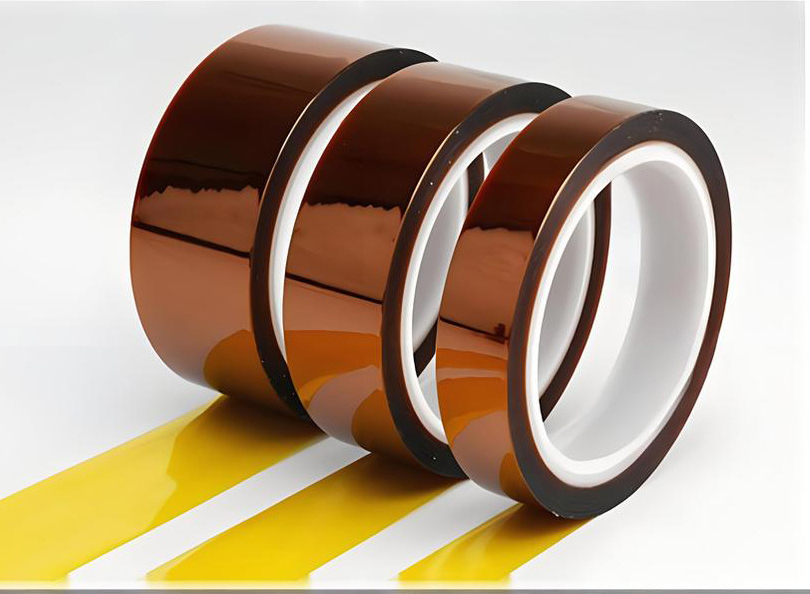
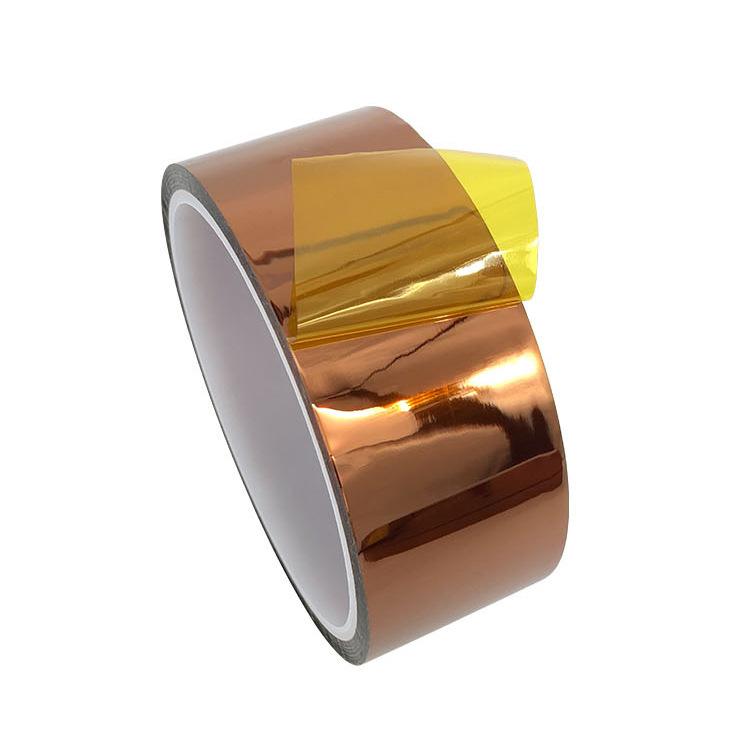
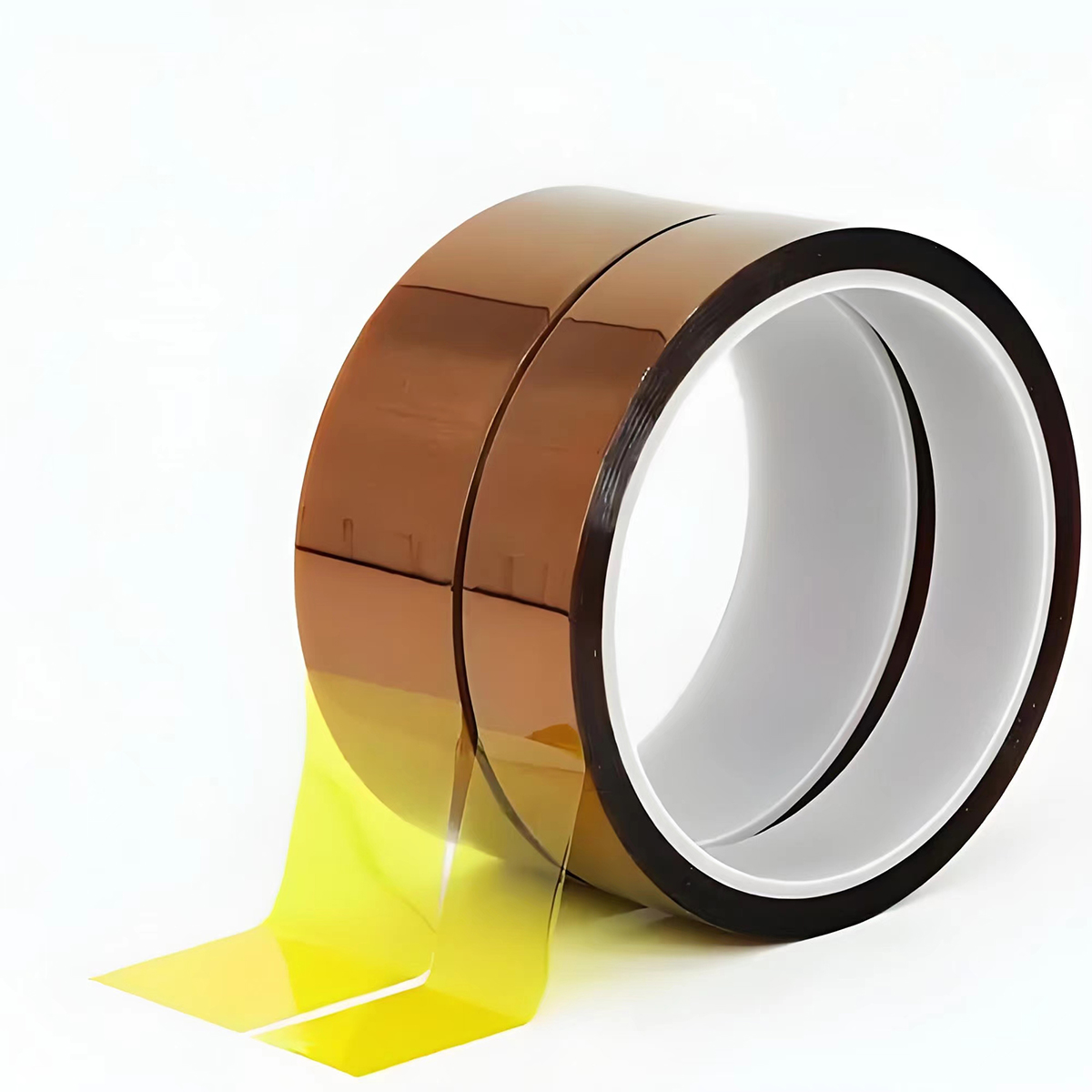
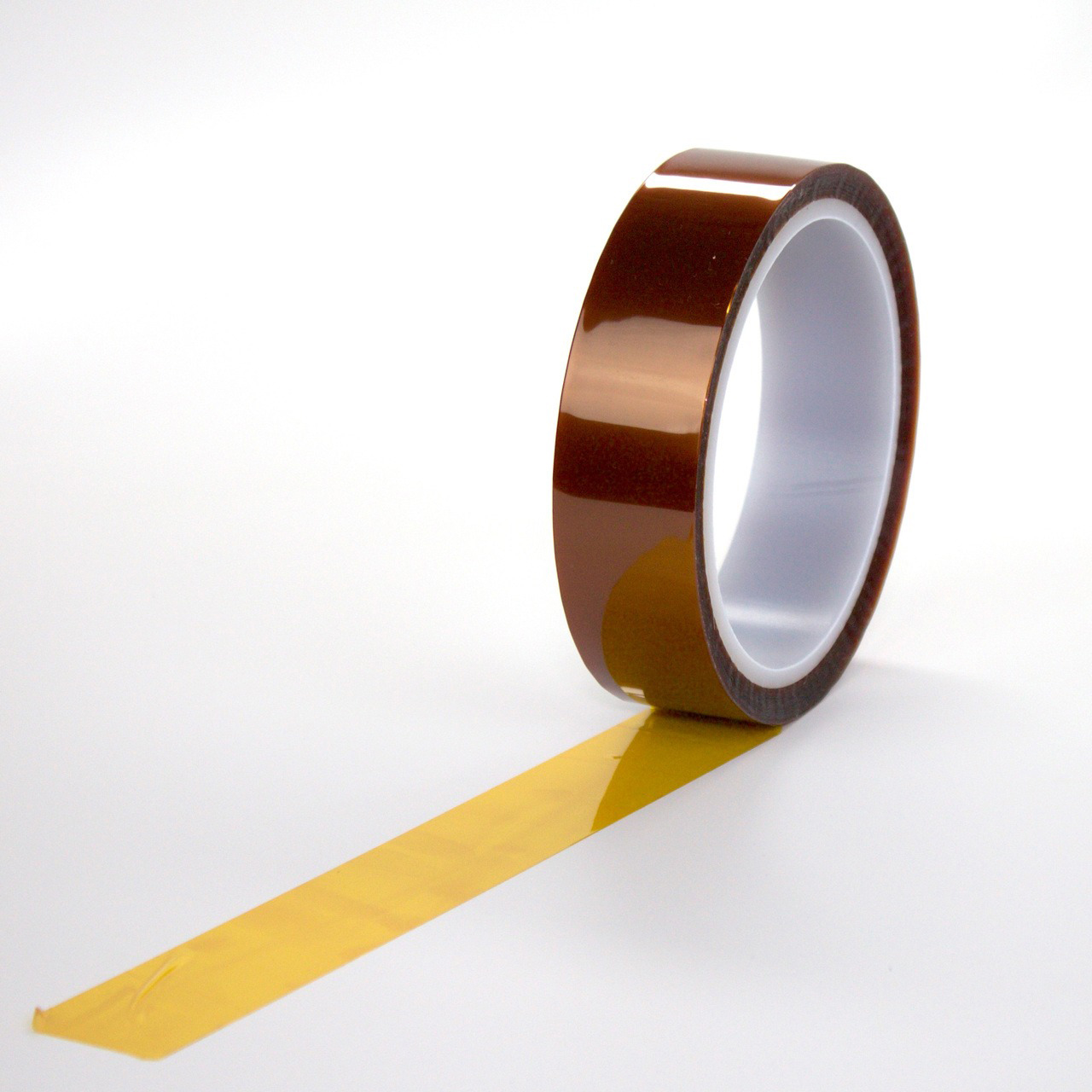
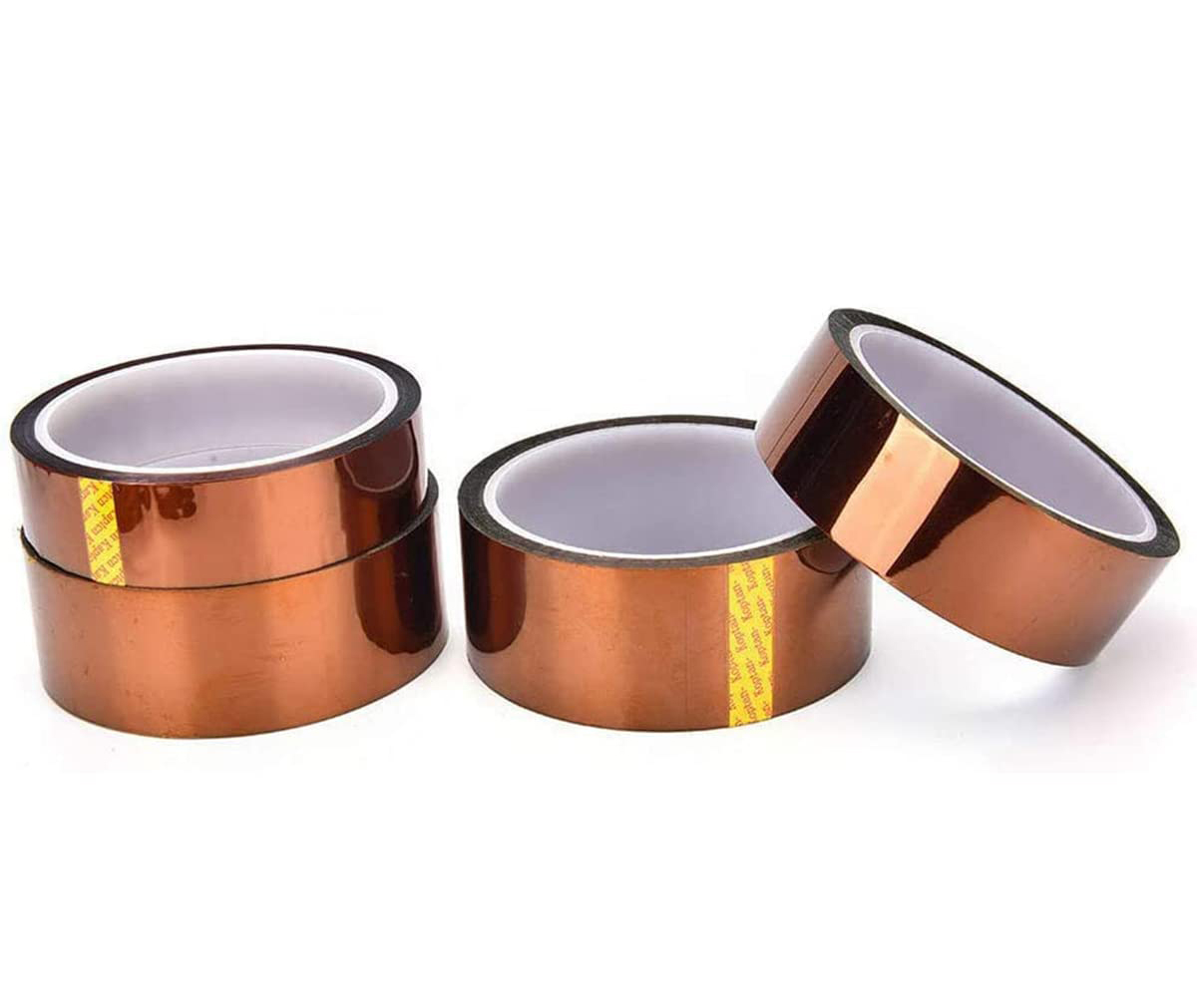
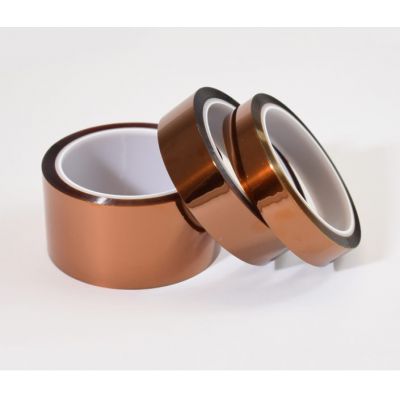
J-630 is a single-sided silicone adhesive polyimide tape designed for PCB solder masking, wave solder protection, reflow masking, high-temperature process masking, die-cut masking parts, and electrical insulation support. It uses polyimide film backing with silicone pressure-sensitive adhesive and is available in 0.06 mm and 0.08 mm thicknesses for electronics assembly, masking converters, OEM buyers, and industrial tape distributors.
J-630 is a single-sided polyimide film tape coated with silicone pressure-sensitive adhesive. It is built for jobs where ordinary polyester tape, masking paper tape, or low-temperature film tape cannot handle the heat cycle, soldering process, or electrical insulation requirement.
The tape is mainly used in electronics manufacturing and high-temperature masking work. Typical applications include PCB solder masking, gold finger masking, wave solder protection, reflow masking, connector masking, terminal protection, and die-cut masking dots or strips. It may also be evaluated as electrical insulation support in motors, transformers, coils, and electronic components, but it should not be used to define the full insulation system by itself.
The key point is simple: J-630 is not a general-purpose craft tape or a universal industrial tape. It is a silicone adhesive polyimide tape for heat, masking, and insulation-related process work. If your application is mainly PCB masking, our PCB and electronics masking solutions page can help place this product inside a broader electronics masking selection process.
| Item No. | J-630 | J-630 | J-630 | J-630 |
| Adhesive Type | silicone | silicone | silicone | silicone |
| Thickness | 0.05mm | 0.06mm | 0.08mm | 0.1mm |
| Adhesion to Steel | 5 N/25mm | 5 N/25mm | 6 N/25mm | 5 N/25mm |
| Tensile Strength | ≥80Mpa | ≥100Mpa | ≥70Mpa | ≥60Mpa |
| Elongation at Break | ≥ 80% | ≥ 80% | ≥ 45% | ≥ 40% |
| Temperature Resistance | 260℃ | 260℃ | 260℃ | 260℃ |
| Electrical Strength | ≥ 4 KV | ≥ 4.5 KV | ≥ 6 KV | ≥ 6 KV |
| Length | 33M | 33M | 33M | 33M |
Values above are typical product data. Final specifications, tolerances, test methods, and batch values should be confirmed by the final TDS, test report, or agreed purchase specification before production approval. Actual tape performance depends on surface condition, application pressure, dwell time, temperature profile, removal timing, and storage condition.
The 260°C rating refers to the finished silicone adhesive polyimide tape grade, not only to the polyimide film backing. Polyimide film is known for high heat resistance, but the real behavior of adhesive tape is controlled by the backing, adhesive system, coating thickness, substrate, pressure, dwell time, and how the tape is removed after heating.
In PCB masking, the most difficult issue is not only peak temperature. A tape may see a short high-temperature peak during wave soldering, or it may pass through a longer preheating and reflow profile. These two conditions affect adhesive behavior differently. Heat exposure, flux residue, board surface cleanliness, and removal timing all influence whether the tape lifts, hardens, tears, or leaves adhesive transfer.
For that reason, J-630 should be tested under the buyer’s real process profile. It is safer to say the tape is designed to reduce adhesive transfer and residue risk under suitable process conditions, rather than promising “no residue” in every situation. If your team is trying to solve lifting, residue, edge curling, or adhesive transfer after heat, our tape failure analysis guide may help identify whether the problem comes from tape grade, surface preparation, pressure, or removal method.
Silicone adhesive is commonly selected for polyimide tape when the job involves high-temperature masking. Compared with many acrylic adhesive systems, silicone adhesive is usually the better starting point for solder masking, wave solder protection, reflow masking, and other short-cycle high-temperature processes.
In real production, this matters because the tape must stay in place long enough to protect the covered area, but still be removable after the process. For PCB work, common masking areas include gold fingers, edge connectors, solder-sensitive terminals, component areas, and contact surfaces that must stay clean during soldering or coating steps.
Acrylic adhesive polyimide tape has a different role. It is more suitable when the buyer wants non-silicone contact, medium-temperature insulation, die-cut insulation parts, or coil and transformer fixing. If silicone transfer is a concern in downstream coating, bonding, or surface-sensitive processes, Kapton tape acrylic adhesive may be a better product family to evaluate.
So the choice is not simply “which Kapton tape is better.” The better question is: what temperature profile will the tape see, will it be removed after heat, does the process allow silicone adhesive, and is the main purpose masking, bonding, or insulation? For broader material selection, our material comparisons and industrial tape buying guides can help purchasing and engineering teams compare adhesive systems before sampling.
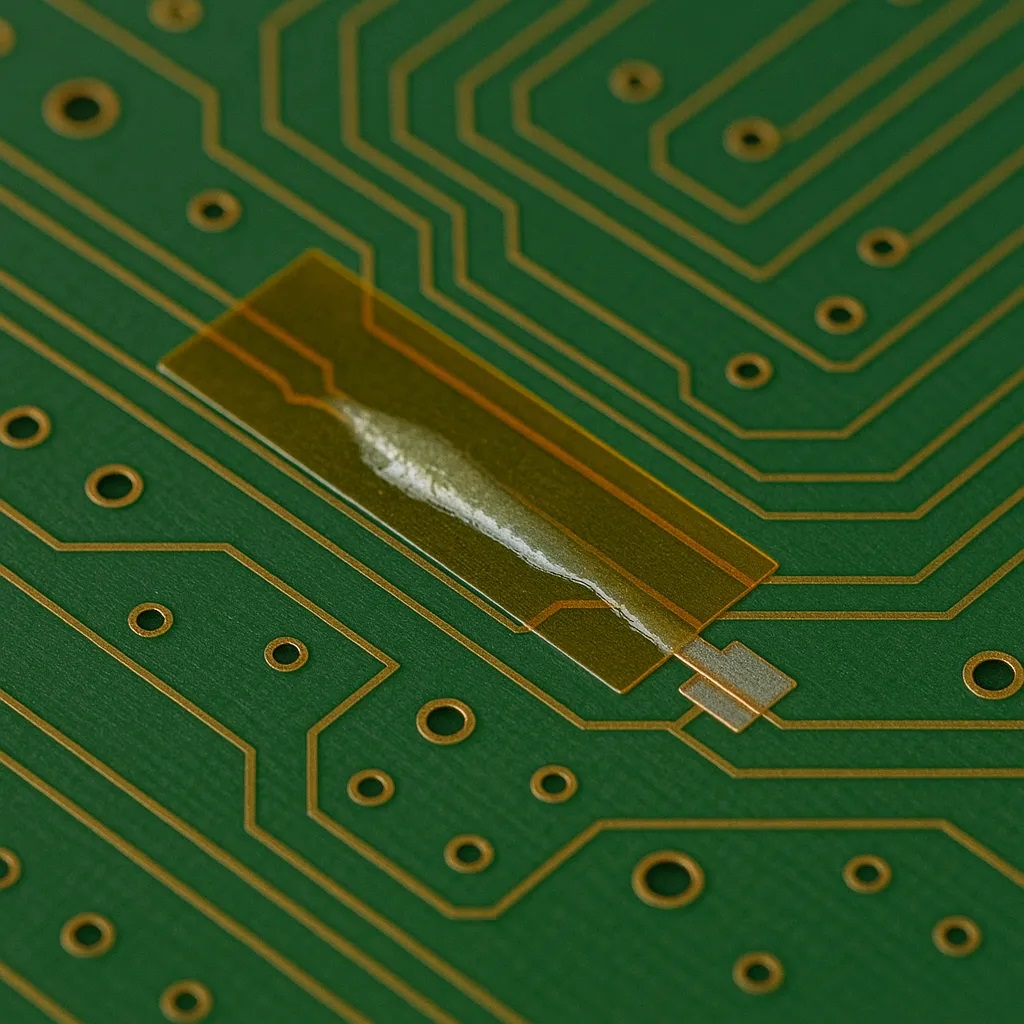
J-630 is mainly used where heat resistance, conformability, and clean process masking are needed. In PCB assembly, it can be tested for gold finger masking, wave solder protection, reflow masking, connector masking, terminal masking, and protection of selected solder-sensitive areas.
For gold finger masking, tape placement and edge sealing are important. A good tape choice can still fail if the surface contains oil, dust, flux residue, or handling contamination. Operators should apply enough pressure to activate the pressure-sensitive adhesive and avoid stretching the tape during application. Excessive tension can cause edge lift when the tape relaxes during heating.
For die-cut masking work, J-630 can be converted into dots, strips, tabs, or custom shapes. Die-cut polyimide masking parts are useful when operators need repeatable placement and faster masking than hand-cut tape. They are also useful for small contact areas, connector protection, selective masking, and repeated production runs.
J-630 may also be evaluated for electrical insulation support in coils, motors, transformers, and electronic components. In these applications, the tape may help protect local areas, hold insulation layers, or provide temporary positioning. For larger insulation system decisions, our electrical insulation solutions page explains how tape selection fits with dielectric needs, thermal design, and application position.
During PCBA processing, the tape may contact flux residue, soldering atmosphere, IPA cleaning, or other cleaning methods. The tape should be checked under the actual flux type, cleaning process, temperature, and dwell time before approval. A tape that works well in a dry heat test may behave differently when flux, cleaning solvent, or board contamination is involved.
Removal is also part of the process. Pull angle, peeling speed, board temperature, and dwell time after heating can affect residue and surface condition. Removing tape too aggressively, especially while the substrate is still very hot, may increase the risk of adhesive transfer or film tearing. Waiting for a controlled removal condition and using a consistent peel angle can improve process stability.
For residue-sensitive applications, buyers should not rely only on room-temperature adhesion data. A heat-aged removal test on the real substrate is more useful. Test the tape on the actual PCB finish, connector surface, coating system, or component material before production release.
J-630 is a single-sided silicone adhesive polyimide tape. If the application requires bonding between two surfaces, lamination, or adhesive contact on both sides, double sided Kapton tape may be a better product family.
If the application requires non-silicone contact, J-630 may not be the right choice. Some coating, bonding, painting, optical, or surface-sensitive processes may need to avoid silicone adhesive. In those cases, acrylic adhesive polyimide tape or another non-silicone grade should be considered.
If the concern is electrostatic charge during unwind or removal, ordinary J-630 should not be treated as low-static tape. For ESD-sensitive production, a dedicated ESD Kapton tape should be evaluated.
J-630 should also not be promoted as an aerospace, medical, optical, or high-reliability automotive qualified tape based only on this product page. Those applications require customer-specific testing and documentation beyond a standard RoHS or halogen analysis report.
J-630 can be supplied as standard rolls, custom slit widths, sheets, or die-cut masking parts. Standard roll length is 33 m, and common total thickness options include 0.06 mm and 0.08 mm. Custom slitting can be used for PCB masking, electronics assembly, electrical insulation support, and distribution roll supply.
For die-cut masking parts, buyers should provide drawings, tolerance requirements, part spacing, liner preference, packing method, and whether the parts will be applied manually, semi-automatically, or with fixture support. Small masking parts often fail in production not because the tape is wrong, but because the liner is hard to release, the part spacing is inconvenient, or the operator cannot pick and place the part consistently.
For silicone adhesive die-cut parts, the release liner or release film should be confirmed according to the part size and application method. Fluorosilicone release film, easy-pick tabs, roll format, sheet layout, or waste-removal design can be considered when stable release and operator handling are important. These details should be confirmed before mass production, especially for masking dots, small strips, and high-volume electronics assembly.
J-630 has SGS RoHS and halogen analysis information available for the specified product grade.
SGS RoHS Verified — Polyimide Tape (J-630)
RoHS (EU 2015/863) tested per IEC 62321. Pb, Hg, Cd, Cr(VI), PBB/PBDE and restricted phthalates: Not Detected.
Report No.: NGBEC25006962602
SGS Halogen Analysis — Halogen-free Polyimide Tape (J-630)
IEC 62321-3-2:2020. Fluorine / Chlorine / Bromine / Iodine: Not Detected.
Report No.: NGBEC25006962601
These reports support RoHS and halogen-related material claims for J-630. They should not be interpreted as UL, flame-retardant, aerospace, medical, food-contact, or automotive qualification. If your project requires specific compliance documents, please confirm the exact product grade, report scope, and buyer requirement before approval.
A useful RFQ should include more than width and quantity. Please share the masking application, substrate, peak temperature, heat cycle, dwell time, removal requirement, residue sensitivity, thickness target, roll size, and whether die-cut parts are needed.
For PCB masking, please provide the soldering process, masking position, board finish, flux or cleaning method, and whether the tape is removed immediately after heating or after cooling. For die-cut masking parts, send drawings, tolerances, liner requirements, part spacing, packing format, and application method.
This information helps us recommend a J-630 roll or die-cut sample for testing. It also helps avoid a common sourcing mistake: approving a tape by temperature rating alone while ignoring substrate, heat cycle, pressure, and removal condition.
What is silicone adhesive polyimide tape mainly used for?
Silicone adhesive polyimide tape is mainly used for PCB solder masking, gold finger masking, wave solder protection, reflow masking, high-temperature masking, connector protection, and electrical insulation support. J-630 is a single-sided tape for surface masking and insulation support, not a double-sided bonding tape.
Can J-630 be used for PCB solder masking, wave soldering, and reflow?
Yes, J-630 can be evaluated for PCB solder masking, wave solder protection, and reflow masking. Final approval should be based on the customer’s actual soldering profile, dwell time, substrate, masking position, and removal condition.
What does the 260°C temperature resistance mean?
The 260°C rating refers to the finished silicone adhesive polyimide tape grade. It does not mean the tape will perform the same under every heat cycle or long-term exposure condition. Temperature, dwell time, pressure, surface cleanliness, and removal timing should all be tested before approval.
Silicone adhesive vs acrylic adhesive Kapton tape: which should I choose?
Choose silicone adhesive polyimide tape when the process involves higher-temperature masking, PCB solder masking, wave solder protection, or reflow masking. Choose acrylic adhesive polyimide tape when non-silicone contact, medium-temperature insulation, die-cut insulation parts, or lower silicone-transfer concern is more important.
Does J-630 leave residue after high-temperature masking?
Residue depends on the substrate, temperature profile, dwell time, surface cleanliness, application pressure, and removal method. J-630 is designed for high-temperature masking, but buyers should run heat-aged removal tests on their actual surface before bulk approval.
Can J-630 be die-cut into masking dots, strips, or custom shapes?
Yes. J-630 can be die-cut into masking dots, strips, tabs, sheets, and custom shapes. Please provide drawings, tolerance requirements, liner preference, part spacing, roll or sheet format, and packing method for evaluation.
Request J-630 TDS or Sample
For technical evaluation, request the J-630 TDS first or send your masking process details for sample recommendation. Please include your soldering profile, masking position, substrate, peak temperature, dwell time, removal requirement, residue sensitivity, thickness target, and die-cut drawing if available.
We can recommend J-630 rolls, custom slit widths, or die-cut masking samples for validation before bulk ordering.