info@jxgreentape.com
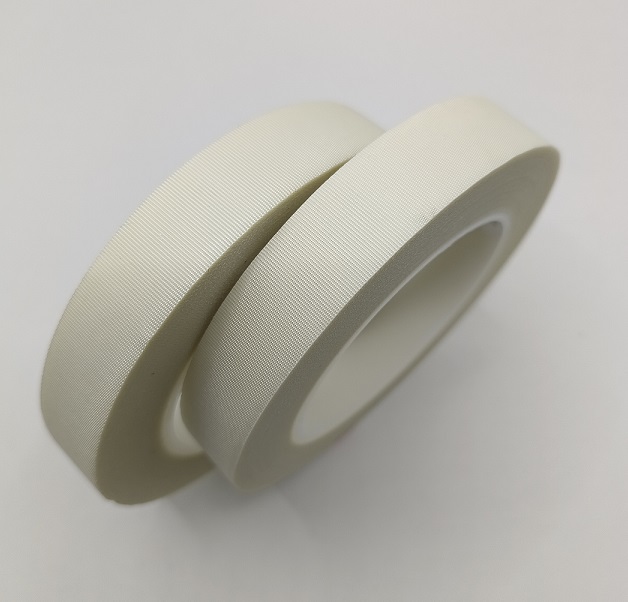
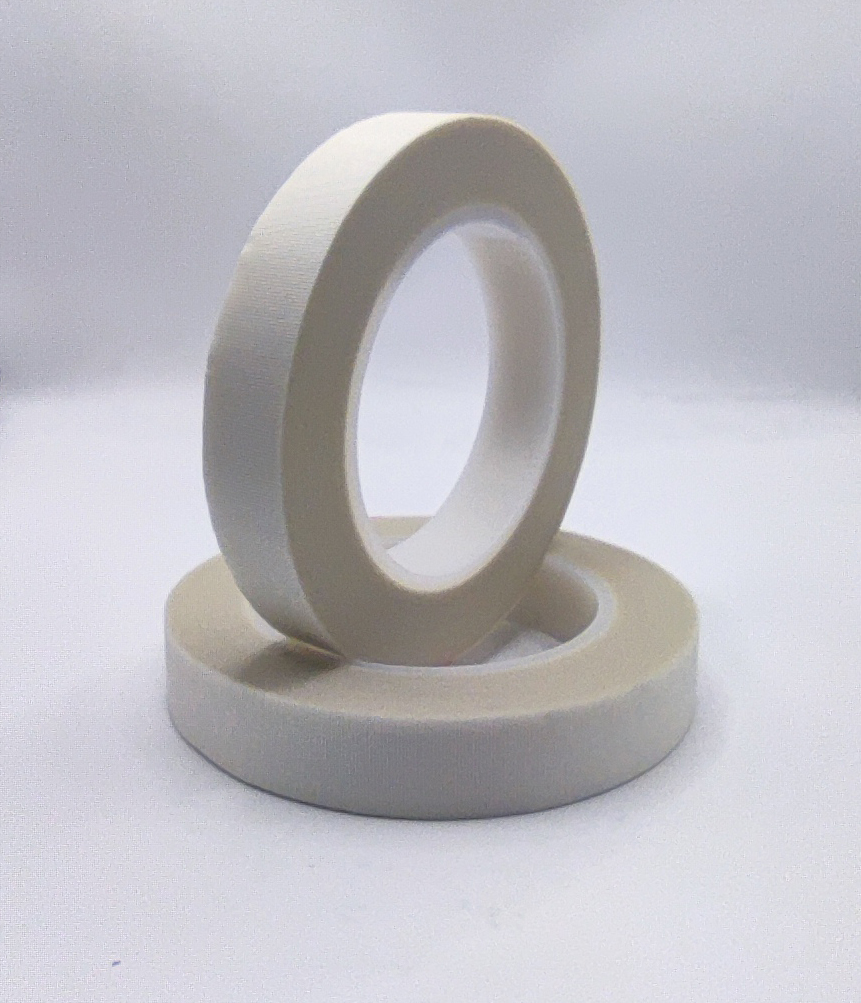
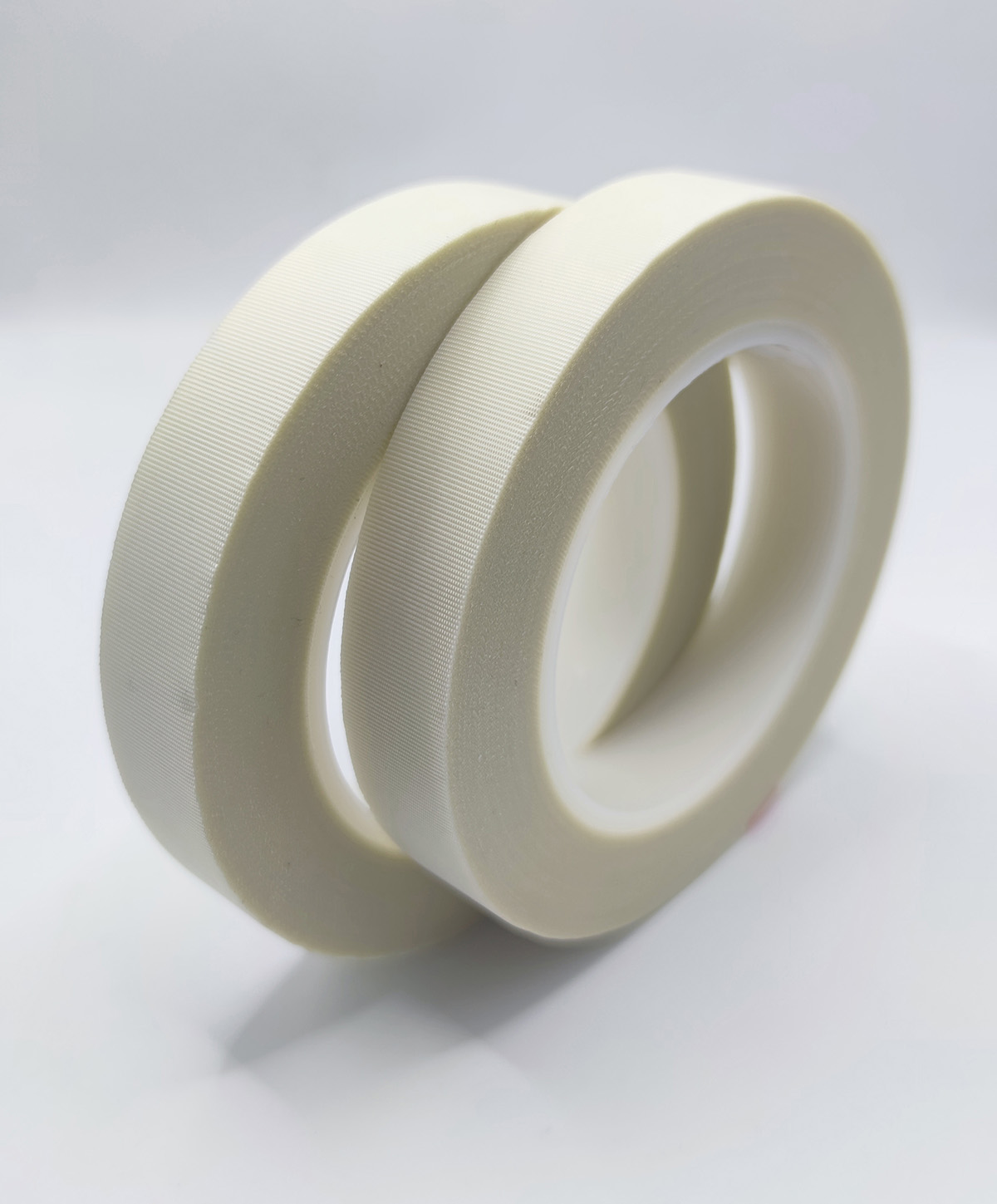

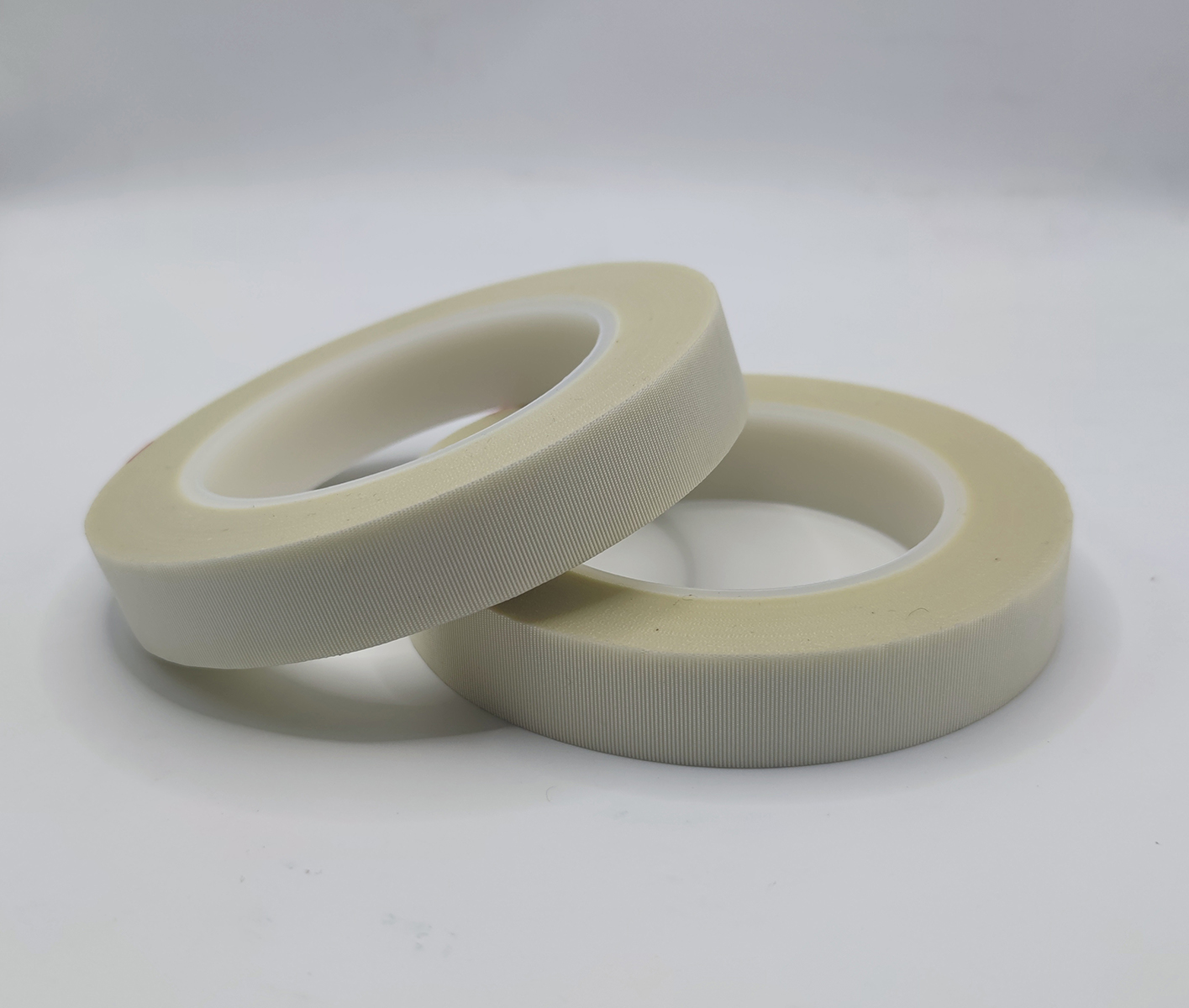
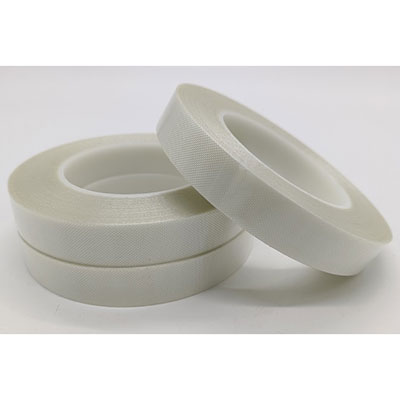
J-430 is a silicone adhesive glass cloth electrical tape designed for industrial buyers who need heat-resistant wrapping, holding, and insulation support in electrical and mechanical assemblies. It uses woven glass cloth as the backing and pressure-sensitive silicone adhesive as the bonding layer. The value of this construction is not only “high temperature.” The real value is the combination of heat resistance, mechanical strength, abrasion protection, and stable wrapping performance around leads, coils, harnesses, and protected components.
The broad term glass cloth tape may include many grades, adhesive systems, and end uses. J-430 is better described as a silicone glass cloth tape or glass cloth electrical tape for high-temperature insulation support. It is not a general PVC electrical tape, and it should not be presented as a complete certified insulation system unless grade-specific documents support that claim.
The product series includes different adhesive options. J-400 uses rubber adhesive, J-410 uses acrylic adhesive, and J-430 uses silicone adhesive. That matters in real sourcing. Rubber adhesive may be enough for lower-temperature fixing. Acrylic adhesive may be considered for medium-temperature use. Silicone adhesive is the more logical starting point when heat resistance is part of the job.
J-430 is intended for motor and transformer manufacturers, electrical insulation suppliers, industrial distributors, and engineering teams evaluating heat-resistant tape for production use. Before approving it for bulk orders, buyers should verify the operating temperature, electrical requirements, substrate compatibility, and process conditions described below.
The table below shows the current product series data.
| Item No. | J-430 |
| Adhesive Type | Silicone |
| Thickness | 0.19mm |
| Adhesion to Steel | 9 N/25mm |
| Tensile Strength | 400 N/25mm |
| Elongation at Break | 5% |
| Temperature Resistance | 180℃ |
| Electrical Strength | 3 KV |
| Length | 30M |
For J-430, the important points are silicone adhesive, 0.18 mm thickness, 180°C temperature resistance, 180 N/10 mm tensile strength, and 3 KV electrical strength. These numbers help buyers compare grades, but they should still be confirmed by the actual TDS and test method before critical approval. Adhesion, tensile strength, elongation, and electrical strength can change meaning depending on test surface, sample preparation, dwell time, humidity, and test procedure.
The first decision is adhesive type. In this series, J-430 is the silicone adhesive grade. That does not mean it is automatically best for every job, but it is the right grade to start with when higher heat resistance and electrical insulation support are required. If the job is only low-temperature holding, a rubber or acrylic grade may be more cost-effective.
Temperature resistance needs careful handling. The table lists J-430 at 180°C. That should be treated as the working reference unless a formal test report supports another condition. A short heat spike and continuous operation are not the same thing. A glass cloth backing may tolerate heat well, but the adhesive layer can still age, darken, lose tack, or leave residue after extended exposure. For that reason, buyers should describe both operating temperature and dwell time, not only ask whether the tape is “high temperature.”
Electrical strength is useful, but it is not the whole insulation story. A 3 KV value can help buyers screen a tape, but electrical insulation design also depends on insulation class, layer build-up, wrapping method, humidity, varnish or resin contact, clearance distance, and the final product’s certification requirement. J-430 can support electrical insulation work, but it should not be treated as a certified insulation system without the right documents.
Adhesion to steel is another reference number that needs context. It does not tell you exactly how the tape will behave on varnished coils, painted parts, glass fiber sleeving, transformer leads, silicone surfaces, or oily metal. In production, surface condition is often the reason a tape fails. Dust, oil, oxidation, release agent, uncured coating, and insufficient pressure can all reduce bonding.
The 0.18 mm total tape construction provides mechanical strength and abrasion resistance.This is where glass cloth tape differs from many film tapes. It can protect contact points, hold leads in place, and resist wear better than thin film-based tapes in some applications. But mechanical strength does not replace voltage verification, temperature validation, or removal testing.
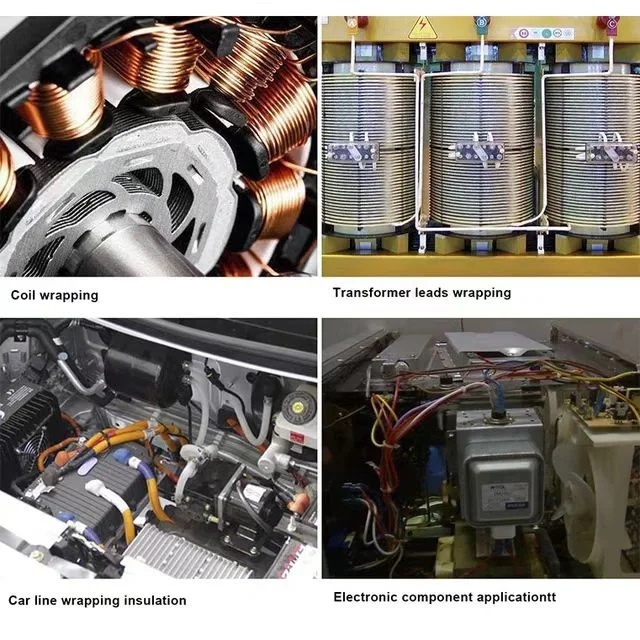
Motor lead wrapping is one of the most suitable applications for J-430. In motor assemblies, the tape may be used to wrap and hold leads, protect contact points, and support insulation around areas exposed to heat and friction. The buyer should check the operating temperature, bend radius, abrasion point, lead material, and whether the tape will contact varnish or resin. If the motor insulation system has a formal temperature class requirement, the tape must be verified as part of that system, not judged alone.
Transformer lead wrapping is another natural field. In dry-type transformers and electrical assemblies, glass cloth electrical tape can help position leads, hold insulation layers, and protect wrapped areas from mechanical wear. The key questions are usually practical: Will the tape stay in place after heating? Will it interact with varnish or resin? Does the project require a specific certification document? These questions should be answered before bulk use.
Coil holding and temporary assembly support are also suitable directions. During winding, assembly, and handling, a tape may be needed to hold parts in position before the next process step. J-430 is useful when the part needs heat resistance and a stronger woven backing than standard electrical tape. Buyers should still check whether the tape remains in the final product or is only used during production.
High-temperature wire and harness protection can be considered in verified temperature zones. The wording matters here. J-430 should not be described as suitable for every automotive or engine-area condition. Oil, vibration, radiant heat, tight bending, and continuous thermal exposure all change the result. When the zone is known and the temperature is within the approved range, glass cloth tape can offer abrasion protection and heat-resistant wrapping.
Abrasion and mechanical protection are often overlooked but important. Woven glass cloth backing can help protect edges, contact points, and rubbing areas where a thin film tape may wear too quickly. This is not the same as structural fastening. The tape supports protection and holding; it should not be used as the only load-bearing component in a critical assembly.
Limited high-temperature holding or masking tasks may also be tested, but they should not be treated as the main identity of this page. If the tape must be removed after heat exposure, buyers should test dwell time, surface condition, adhesive residue, edge quality, and removal behavior under the actual process cycle. For applications mainly focused on masking performance, buyers should compare materials through Comparison Articles instead of assuming one glass cloth tape grade fits all processes.
A reliable B2B product page should not only say where a tape can be used. It should also help buyers avoid wrong selection.
First, do not treat J-430 as a continuous 260°C tape if the listed data says 180°C. If a customer needs exposure above the listed rating, test the actual dwell time, surface, pressure, and removal condition. A tape may survive a short cycle but still lose adhesion or leave residue after longer heat exposure.
Second, do not call the tape UL-grade, CSA-approved, flame-retardant, or fireproof unless the exact grade has documents. Glass cloth backing is heat resistant, but the finished tape includes adhesive. Certification language must follow documents, not assumptions.
Third, clean removal should never be promised blindly. Silicone adhesive may perform well in heat, but residue risk depends on surface coating, temperature, time, pressure, and removal angle. Painted, coated, varnished, or textured parts should be tested before approval.
Fourth, avoid overstating high-end industries. Aerospace, semiconductor, and safety-critical applications need specific qualification data. Without that, it is better to discuss the actual working condition rather than use impressive but unsupported industry names. If a buyer is dealing with failures such as lifting, darkening, residue, or backing tear, a Failure analysis guide can help identify the root cause.
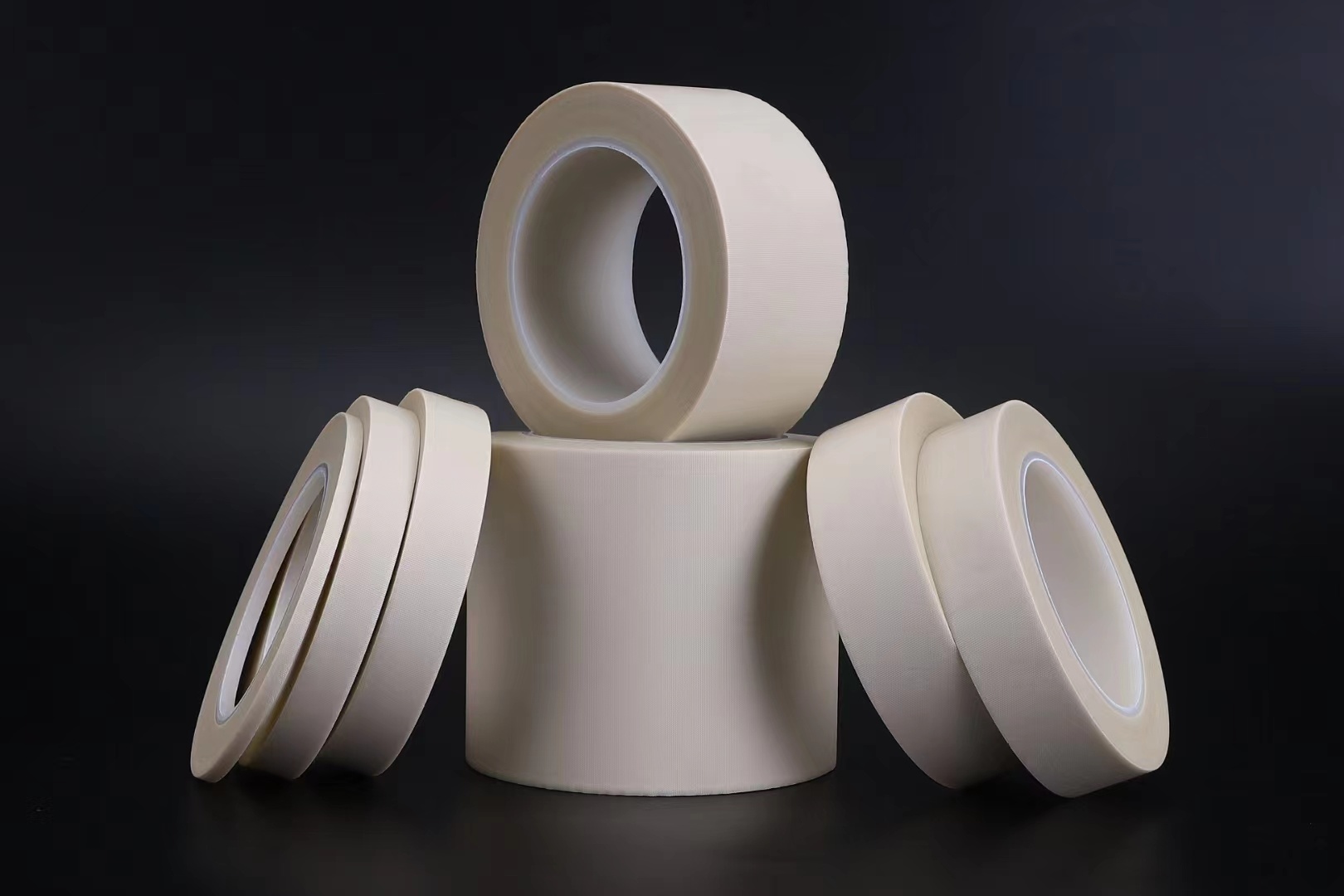
For B2B orders, J-430 can be discussed by width, length, color, roll core, slitting tolerance, carton packaging, label requirements, and sample roll quantity. Narrow widths may be needed for lead wrapping or coil holding. Wider rolls may be used for mechanical protection or larger contact areas.
Adhesive grade selection should stay practical. If the application is low temperature and cost-sensitive, J-400 may be enough. If medium temperature and aging stability are the main concern, J-410 may be tested. If the application needs high-temperature insulation support, J-430 is the better starting point. For buyers still comparing several grades, Buying Guides can help define the selection process before requesting samples.
Before placing a bulk order, provide the supplier with the real working conditions. At minimum, include operating temperature, peak temperature, dwell time, voltage requirement, surface material, tape width, roll length, quantity, and whether the tape remains in the final product.
For motor and transformer use, also mention whether the tape will contact varnish, resin, oil, or solvent. For wire protection, describe vibration, abrasion points, bending radius, and temperature zone. For any process involving removal after heat, send the expected removal timing and acceptable residue level.
If a current tape is failing, describe the failure clearly. Does the adhesive lift? Does the tape darken? Does it become brittle? Does it leave residue? Does the backing fray or tear? Photos and process details are more useful than a simple request for “better quality.”
If you are sourcing glass cloth electrical tape for motor leads, transformer leads, coil holding, wire protection, or heat-resistant industrial wrapping, send your real process conditions before asking only for price. We can recommend the suitable adhesive grade, provide sample rolls for testing, and help confirm whether J-430 is the right starting point for your application.